
Choosing the right surveillance camera system can be confusing, especially when deciding between IP cameras and analog cameras. Both are widely used in homes and businesses, but they differ significantly in technology, installation, image quality, and scalability.
In this article, we’ll break down the differences in simple terms to help you choose the system that fits your needs, budget, and environment.
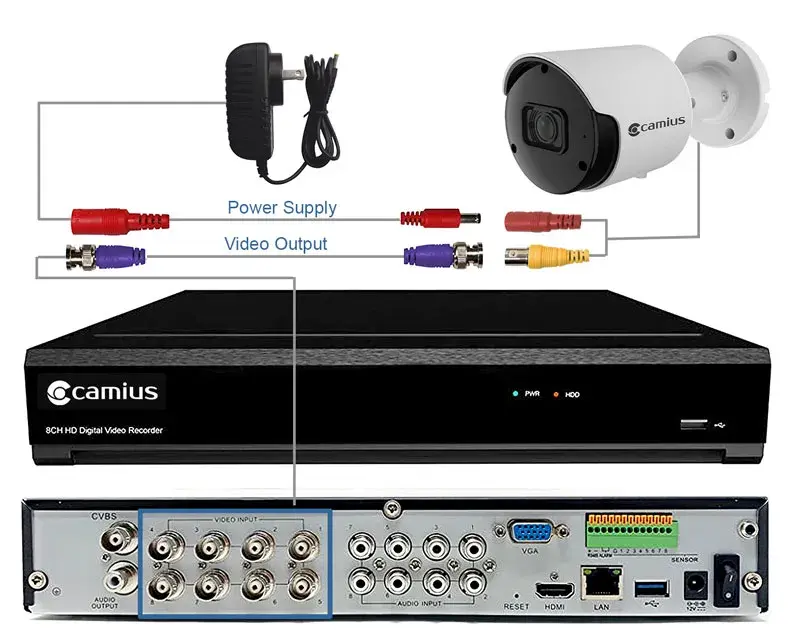
Analog cameras are the traditional type of CCTV cameras. They capture video and send it as an analog signal through coaxial cables to a DVR (Digital Video Recorder).
Use coaxial cables (or coax + power)
Connect directly to a DVR
Simple and familiar technology
Typically lower initial cost
Analog systems have been used for many years and are still common in small installations.
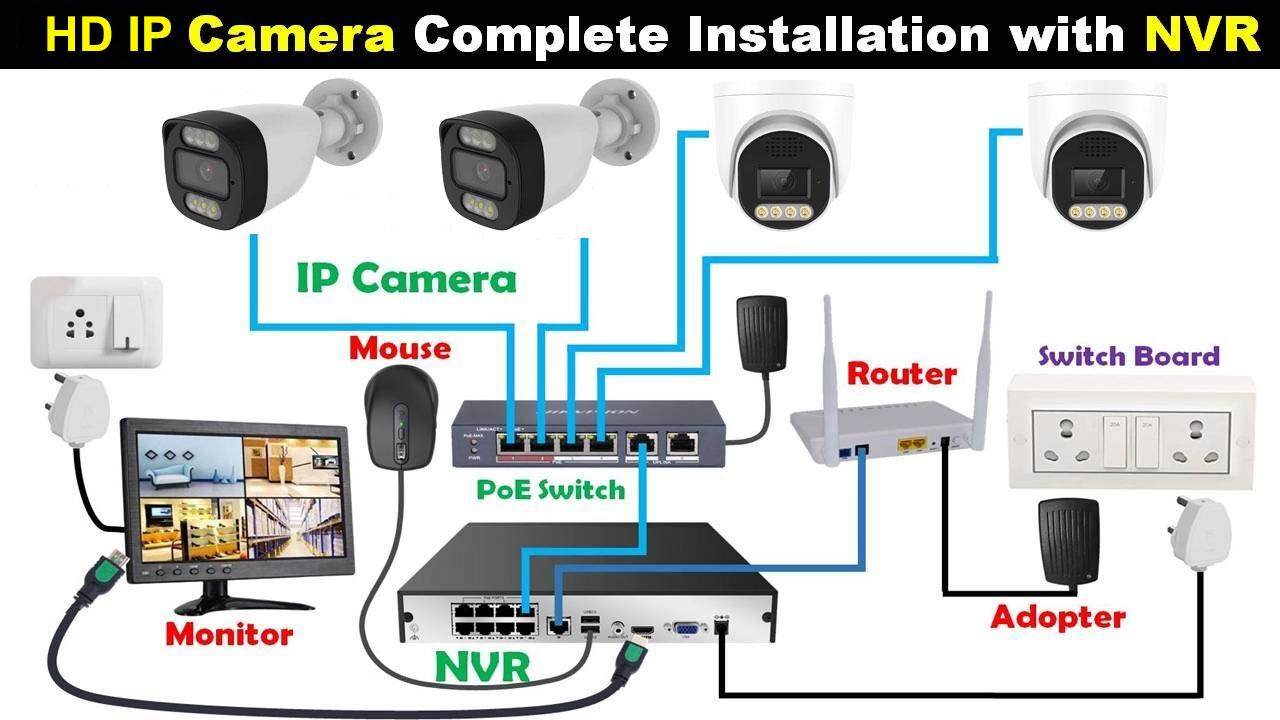
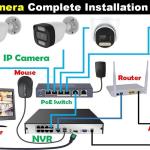
IP (Internet Protocol) cameras are digital cameras that send video data over a network. They connect via Ethernet cables or Wi-Fi to an NVR (Network Video Recorder) or a server.
Use network (Ethernet) cables or Wi-Fi
Each camera has its own IP address
Higher image quality
Advanced features and remote access
IP cameras are the modern standard for most new surveillance systems.
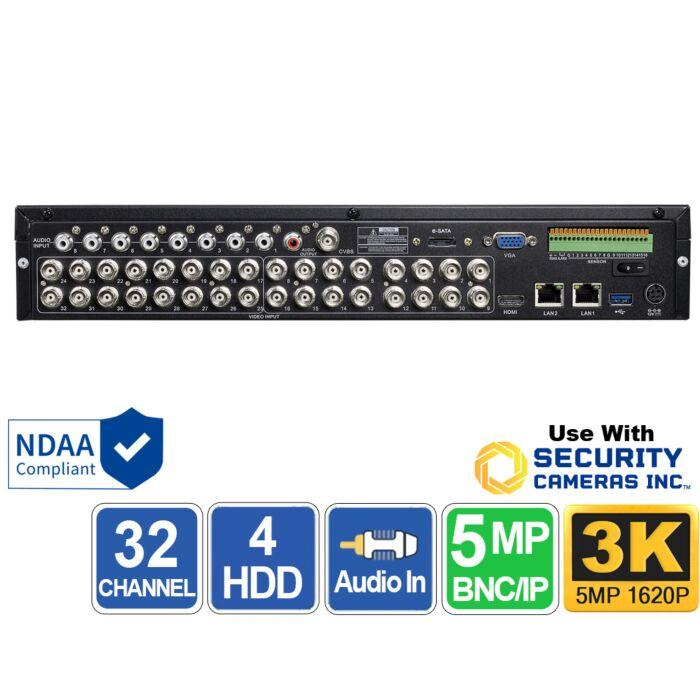
Analog Cameras: Limited resolution
IP Cameras: High-definition and ultra-HD options
If image clarity is important, IP cameras are the clear winner.
Analog: Coaxial cable per camera
IP: Single Ethernet cable (data + power with PoE)
IP systems are usually cleaner and easier to expand.
Analog: Limited by DVR channels
IP: Easy to expand by adding cameras to the network
IP cameras are better for growing systems.
Analog: Basic remote viewing
IP: Advanced remote access, mobile apps, and alerts
IP cameras provide more control and flexibility.
Analog: Very limited
IP: Motion detection, analytics, notifications, and AI features
Modern security systems rely heavily on IP camera capabilities.
Analog systems usually have a lower upfront cost
IP systems cost more initially but offer better long-term value
The right choice depends on how advanced your needs are.
You need a simple system
Budget is very limited
You already have coaxial cabling
The area is small
You want high image quality
You plan to expand in the future
You need smart features and alerts
You want better remote access and control
For most modern installations, IP cameras are the better long-term solution.
Mixing incompatible cameras and recorders
Ignoring network capacity for IP cameras
Choosing low-quality storage solutions
Poor camera placement
Good planning matters more than camera type alone.
Both IP and analog cameras can protect your property, but they serve different needs. Analog systems are simple and budget-friendly, while IP systems offer superior quality, flexibility, and future-proof features. Understanding these differences helps you invest in a system that truly fits your environment and security goals.
 Ahmed Ezz
Dec 25, 2025
 WiFi Eg
Dec 23, 2025
 WiFi Eg
Dec 23, 2025
 Ahmed Ezz
Dec 25, 2025
 WiFi Eg
Dec 22, 2025

By clicking the button, you are agreeing with our Term & Conditions